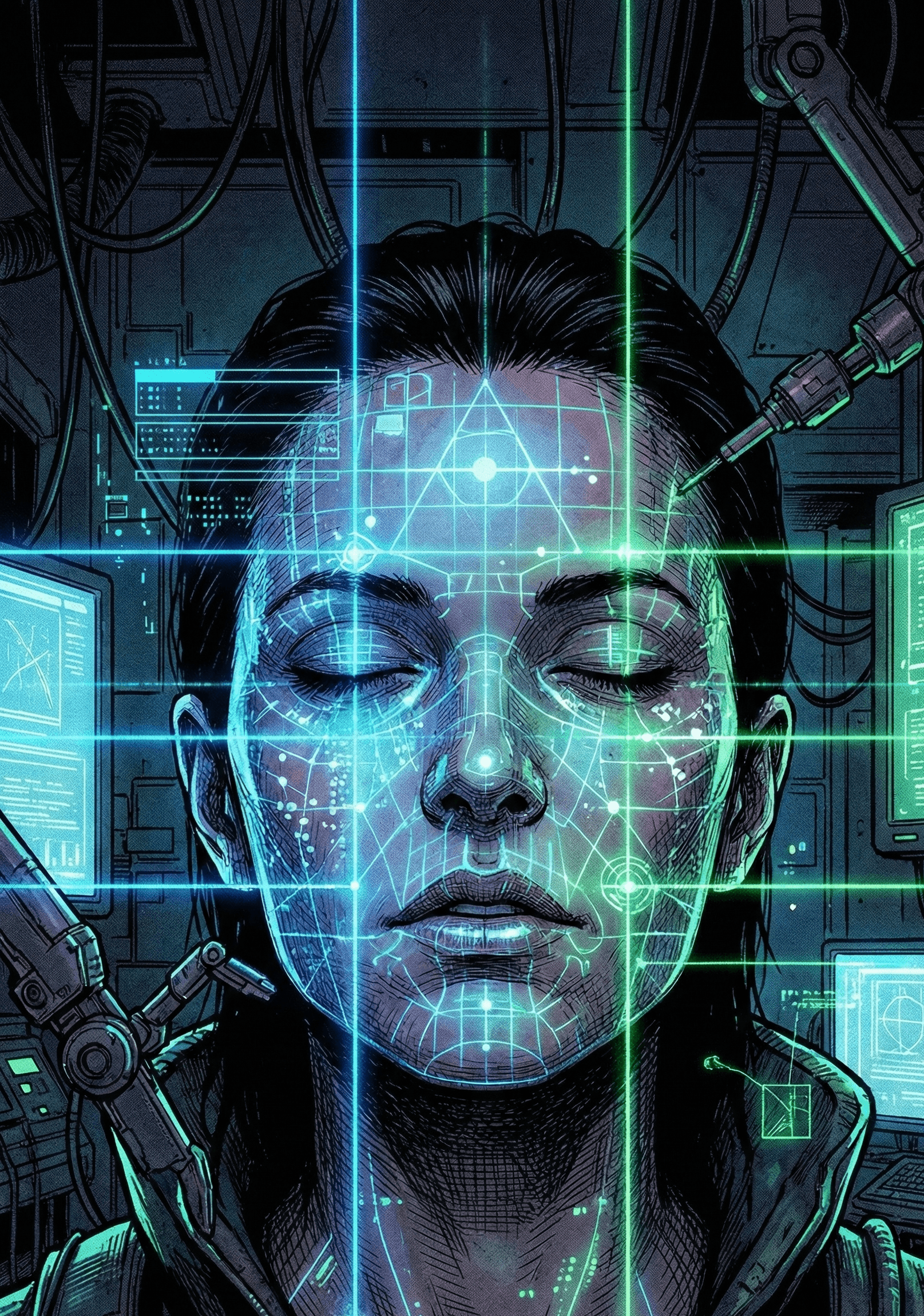
The Deepfake Dilemma: Is "Seeing is Believing" Dead in 2026?
For centuries the phrase "I saw it with my own eyes" was the ultimate proof of truth. In 2026 that phrase is officially obsolete. With the rise of Generative Adversarial Networks AI can now create hyper realistic videos and images of people saying or doing things they never did. We call these "Deepfakes," and they are moving from internet memes to a serious corporate security threat.
The Threat to Business Identity
Now imagine an urgent video call received from your CEO urging you to transfer money to a popular charity institution where the voice sounds right and the face moves perfectly. You make the transfer only to realize later that it was an AI generated clone. This isn't science fiction; "Deepfake Phishing" is this year's fastest growing cybercrime. Traditional passwords are no longer good enough when your biometric data your face and voice can be spoofed.
AI vs. AI: The Only Defense
How can one identify “perfectly real” lies? We get to this answer through “fight fire with fire.” At Vision Front Insights we recognize that an image may deceive human eyes, but AI algorithms are no match. We are currently looking into developing state of the art technology to scan micro expression pixel discrepancies and “heartbeat” patterns in videos to identify fake content.
The Future of Digital Trust
In building software for the future we're not only focusing on what we want to deliver we're focusing on integrity as well. Whether it is a hiring solution checking resumes or a banking app checking users incorporating “Anti-Spoofing" tech is now the new norm.
Conclusion
Technology is a double edged sword. On one side, generative AI brings opportunities for creativity. However it also tends to have an impact on our understanding of reality. If organizations do not adapt to the change it might result in the loss of reputation and security for the concerned business. At VisionFront we are dedicated to the creation of “smart and secure” technology